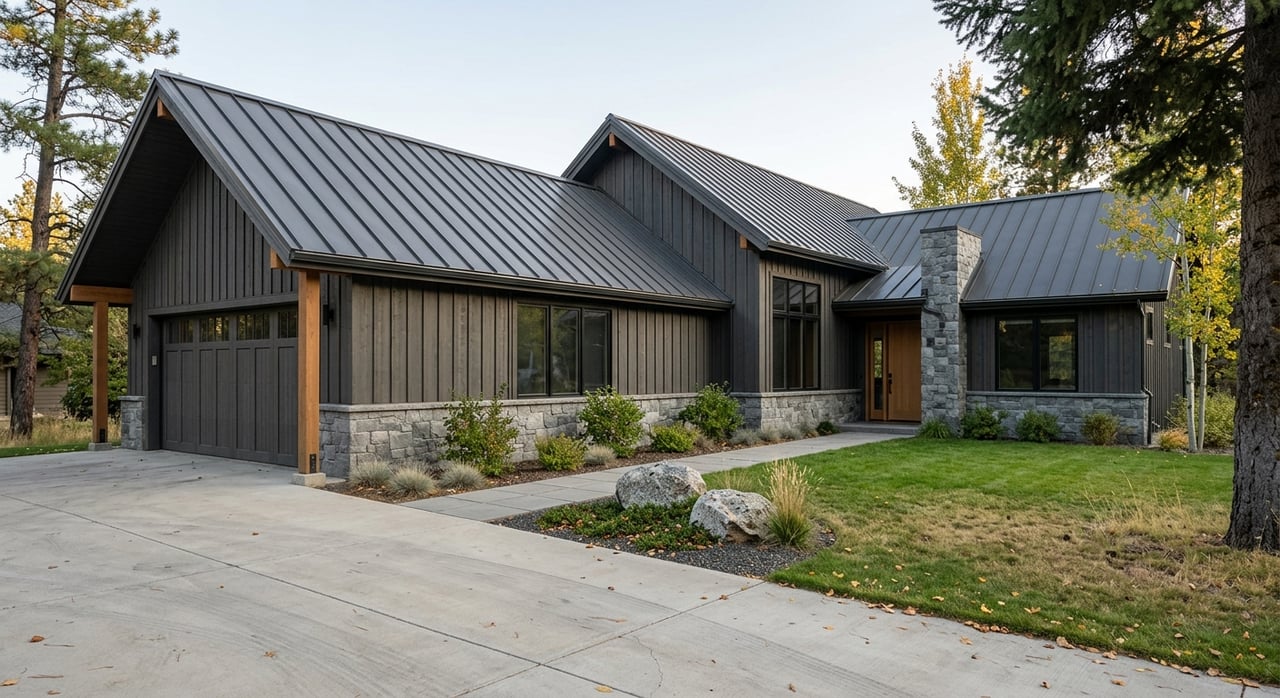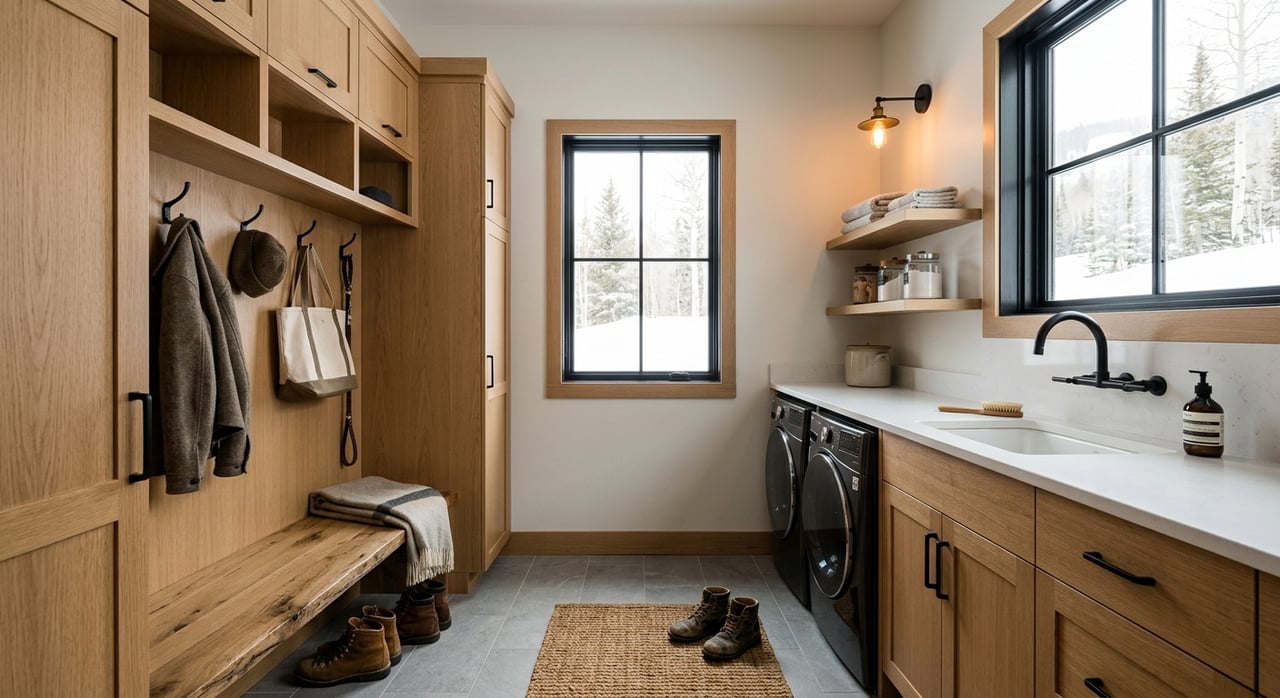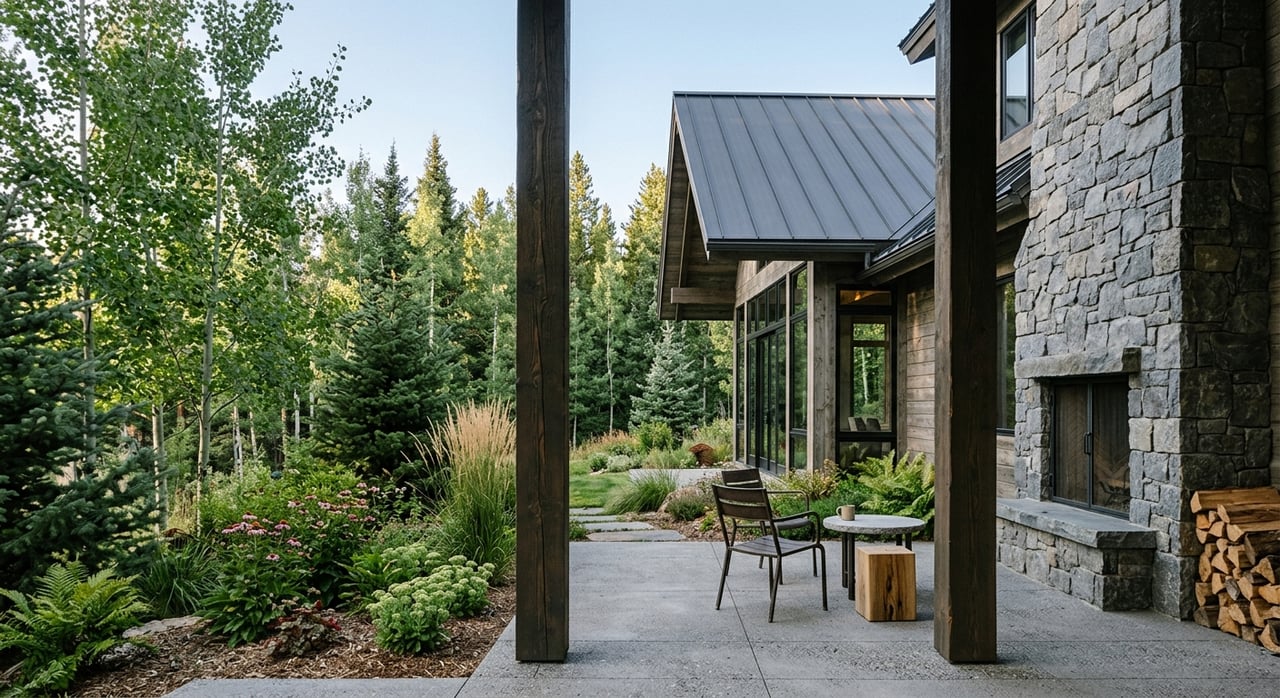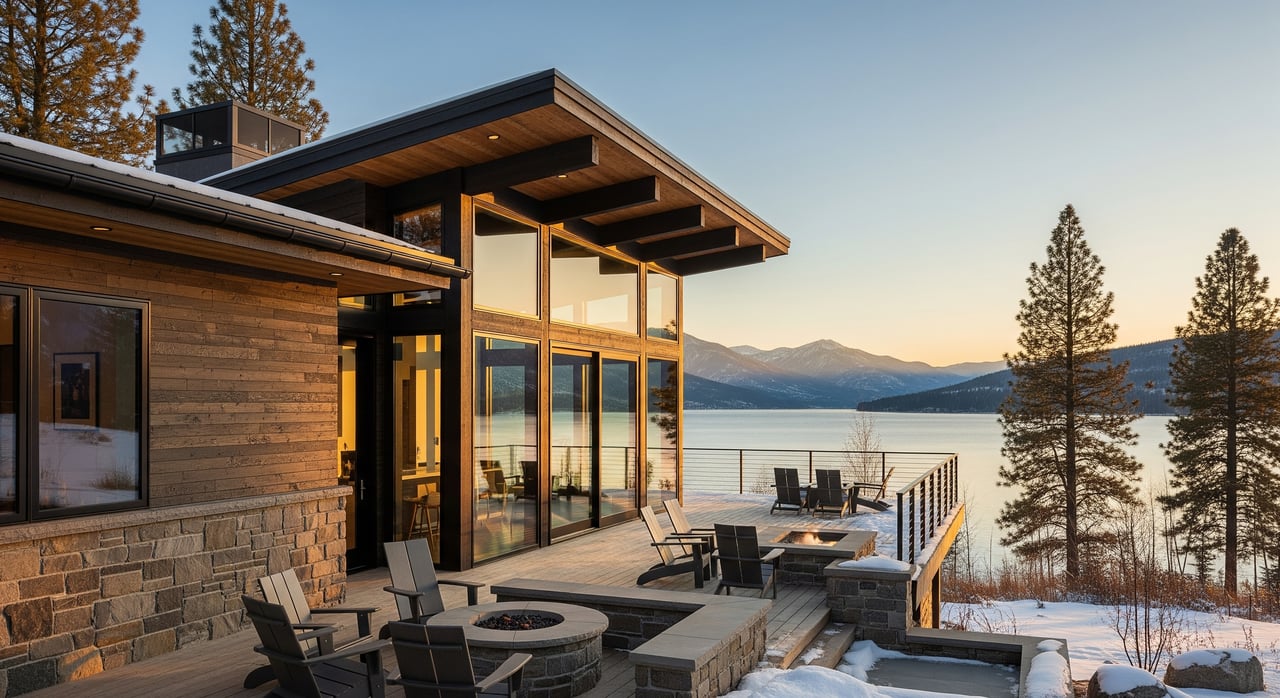
Thinking about a Montana getaway you can enjoy year after year? If Whitefish keeps popping up on your radar, you are not alone. Buyers are drawn to the lake, the ski hill, and easy access to wild places, even as market conditions shift. In this guide, you will learn why second homes in and around Whitefish remain in demand, how that demand affects pricing and negotiations, and practical steps to buy or sell with confidence. Let’s dive in.
Why second homes stay in demand
Outdoor lifestyle and amenities
Whitefish offers year-round recreation that is hard to match. You can ski at Whitefish Mountain Resort in winter, then hike, bike, boat, and fish when the snow melts. Glacier National Park draws about 3 million visits in recent years, which helps support a strong tourism economy and creates rental demand that many second-home owners find attractive. The steady flow of seasonal visitors keeps interest high in properties near town, the lake, and trail access.
Remote work and flexibility
Since 2020, more people can work from anywhere part or full time. That flexibility opened the door to owning a second home far from a primary office. In Whitefish, reliable regional air service and growing connectivity make extended stays practical for many buyers. If you want a change of pace without fully relocating, a second home here can fit your lifestyle.
Quality-of-life migration
Montana has seen notable in-migration from other states. Many newcomers prioritize access to public lands, small-town services, and a calmer pace. Whitefish’s shops and restaurants, with broader medical and service needs met in nearby Kalispell, create a comfortable base for longer seasonal stays. Some owners eventually make the move full time, keeping demand resilient through different market cycles.
Access and convenience
Glacier Park International Airport in Kalispell offers year-round access to major hubs. Highway connections make weekend trips feasible, and most neighborhoods remain reachable in winter with proper preparation. If you travel in and out several times a year, this combination of air and road access matters.
What makes Whitefish stand out
Limited inventory and supply
Mountain and resort communities often have constrained land for new development. Zoning, proximity to parks and forests, and a finite number of homes near the lake or ski hill limit the pipeline of new listings. Many existing properties are held as second homes, long-term rentals, or owner-occupied residences with low turnover. When demand rises, that limited supply puts upward pressure on pricing.
Pricing patterns and seasonality
Strong demand in the most desirable locations can lift median prices and price per square foot above broader regional averages. Resort markets also show seasonal swings, with changes in days on market and sale-to-list ratios depending on the time of year and interest rate cycles. In Whitefish, buyer traffic and showing activity tend to increase in winter ski months and summer vacation season.
Short-term rental dynamics
Tourism supports a meaningful short-term rental market, which attracts investors and second-home buyers who plan to rent when they are not in residence. That potential income can boost competition for well-located properties. At the same time, local governments regularly review short-term rental rules, permits, and taxes to balance visitor demand with community needs. If rentals are part of your plan, understand current rules before you buy or list.
How demand shapes pricing and offers
Buyer playbook for competitive homes
When a property checks the boxes for access, condition, and location, you should expect competition. To be ready:
- Bring proof of funds or a current pre-approval letter. Sellers want confidence you can close.
- Consider strong earnest money and clean terms. Shorter inspection periods and flexible closing dates can help.
- Use escalation clauses and appraisal gap coverage carefully. These tools can win deals when comparables are thin, but they require thoughtful review.
- Ask about pre-inspections on high-demand listings. Knowing the property ahead of time can help you move quickly while managing risk.
True cost of ownership checklist
Price is only part of the decision. Build a complete budget that includes:
- HOA dues and community fees, where applicable.
- Utilities, especially winter heating and snow removal.
- Routine and seasonal maintenance, from roofs to decks to driveways.
- Property management if you plan to rent or be away for extended periods.
- Insurance for wildfire and weather risks, along with any mitigation requirements.
- Flathead County property taxes and any rental-related taxes.
Financing notes for second homes
Second-home loans often require higher down payments and closer debt-to-income review. If you plan to rent, your lender may treat the property differently than a primary residence. Cash buyers are common in resort markets, which can compress timelines and reduce contingencies. Preparing your financing early helps you compete on terms, not just price.
Visit timing and evaluation
See the property during the season that matters most to you. If you value ski access, tour in winter to understand road conditions and travel times. If summer is your priority, visit when trails, lakes, and town activity are in full swing. Off-peak months can offer less competition, though inventory may be thinner.
Seller strategies in a high-demand market
Pricing and presentation
With fewer direct comparables, pricing requires a wider lens. Look at adjacent neighborhoods, recent sales of similar vacation-ready homes, and properties with proven rental track records. Condition and turn-key readiness matter to second-home buyers, so invest in clear, tidy presentation. Small projects that reduce friction for a remote buyer can boost interest.
Evaluating offers beyond price
In multiple-offer situations, set clear criteria with your agent before showings begin. Consider financing type, inspection and appraisal timelines, rent-back needs, and certainty of close. In a market with cash buyers and varied loan structures, the strongest offer often balances price with low risk and predictable timing.
Disclosure and operations
Be proactive with information. Share known wildfire or flood risk history and mitigation steps you have taken. Outline utility costs, seasonal maintenance responsibilities, and any HOA or neighborhood rules. If short-term rentals are allowed, provide documentation on permits, occupancy history, or management options so buyers can make informed decisions.
Risks, rules, and operations to plan for
Wildfire, weather, and insurance
Western Montana experiences wildfire seasons and shifting weather patterns. Insurers and lenders may require specific mitigation, such as defensible space and fuel reduction. Review local risk maps, understand premium impacts, and budget for ongoing maintenance to keep coverage in good standing. Sellers should be ready to document past events and improvements.
Short-term rental rules and taxes
City and county rules, along with state lodging and transient taxes, shape rental economics. Permitting and zoning can change as communities respond to housing availability and tourism impacts. If you plan to self-manage or hire a property manager, map out the steps and costs. Speak with a tax professional about federal and state implications of rental income and operations.
Infrastructure and connectivity
Seasonal population surges can strain roads, utilities, and services. Verify whether a property is on municipal sewer or septic and who maintains roads in winter. Broadband and cell coverage vary by neighborhood. If remote work is part of your plan, test connectivity at the home during your due diligence period.
When to buy or list in Whitefish
Seasonality timing
Winter and summer are the busiest seasons for buyer visits. Sellers who list just before peak periods can capture more showings and stronger offers. Buyers who search in shoulder seasons may find less competition, though they will face fewer choices. Align your timing with your lifestyle priorities and the type of property you want.
Preparation equals leverage
Whether you are buying or selling, preparation is your advantage. Buyers should have financing or proof of funds ready and a clear list of deal-breakers. Sellers should complete pre-listing maintenance, gather utility and permit documents, and set offer-evaluation criteria. In a high-demand market, being ready often determines outcomes.
Your next steps
Second-home demand in Whitefish remains resilient because it rests on lasting fundamentals: outdoor access, flexible work trends, and limited supply in the most desirable locations. That dynamic rewards buyers and sellers who plan ahead, price thoughtfully, and move with clarity. If you want tailored guidance on neighborhoods, timing, and strategy, partner with a local advisor who understands both lifestyle priorities and investment realities.
If you are considering a purchase or preparing to list, connect with Gina Ellis for local insight, value-add preparation, and premium marketing. Request your complimentary home valuation and take your next step with confidence.
FAQs
Why choose Whitefish for a second home?
- Whitefish combines ski access, lake life, and proximity to Glacier National Park, plus regional air service, creating steady, lifestyle-driven demand.
Is Whitefish mostly second homes or full-time residents?
- The market is a mix of full-time residents, second-home owners, and rentals, with overall housing supply remaining constrained.
Will demand soften if interest rates stay high?
- Higher rates can cool some segments, but lifestyle buyers and cash purchasers help sustain demand, and limited inventory moderates price declines.
What should a buyer include to compete in Whitefish?
- Provide proof of funds or pre-approval, set clean terms with reasonable inspection timing, and consider tools like escalation clauses with careful review.
What disclosures matter most for Whitefish sellers?
- Be upfront about hazard exposure and mitigation, property conditions and past damage, utility and maintenance details, and any rental or permit history.
When is the best time to buy or list in Whitefish?
- Sellers often benefit from listing ahead of winter or summer peaks; buyers may find less competition in off-peak months but will face fewer options.