Thinking about selling your Bigfork home but not sure when to list? Around Flathead Lake, timing can influence everything from showing traffic to your days on market. You want a clear plan that fits our seasons, tourism flow, and the way buyers shop for lake and mountain properties. This guide gives you a month-by-month view, a 6 to 12 month prep timeline, and staging tips tailored to Bigfork so you can choose your ideal window with confidence. Let’s dive in.
Bigfork seasonality at a glance
Peak selling season: May to July generally delivers the strongest buyer traffic in lake communities around Flathead Lake.
Secondary window: September to October often attracts motivated buyers and those drawn to fall colors.
Winter market: December to February brings fewer showings but more serious buyers. It is a great time to prepare your home if you plan to list in spring.
Month-by-month guide
January to February
Buyer activity is typically at its lowest, but winter shoppers are often highly motivated. Short days, snow, and cold slow casual traffic and make access a priority. Use this time to tackle repairs, insulation upgrades, and deep cleaning so you are ahead of spring. Photograph warm, inviting interiors and keep driveways and walkways shoveled for any showings.
- Seller strategy: Complete deferred maintenance, plan your project list, and gather records. Emphasize a cozy, well-heated interior in marketing.
- Staging tip: Add layered rugs, a lit wood stove or insert if applicable, and good lighting. Keep access clear and safe.
March to April
Interest starts to pick up as out-of-area buyers plan summer trips. Spring thaw can bring mud and slush, so disclose access conditions and plan for extra cleanup. Finish exterior prep like decks, docks, and paint. Late April to May is a good time to schedule professional photos.
- Seller strategy: Service septic and well if needed and finalize exterior work. Create a functional mudroom setup for showings.
- Staging tip: Remove winter gear and clutter. Keep entry spaces tidy with boot mats and storage.
May to July — peak window
This is the strongest window for many Bigfork listings. Long days, boating season, and blooming landscapes boost curb appeal and buyer enthusiasm. Inventory rises, but so does foot traffic and the chance of multiple offers in a hot week.
- Seller strategy: Aim to launch in early to mid May to capture summer planners. Highlight decks, docks, views, and outdoor living.
- Staging tip: Showcase lake access and entertainment spaces. Ensure docks and shoreline features are safe, tidy, and photo-ready.
August to September
August remains lively, then traffic becomes more selective into September. Many buyers appreciate fall scenery and may be looking for end-of-season opportunities. Emphasize year-round livability for those planning winter occupancy.
- Seller strategy: A late August to mid September launch can work well for buyers who prefer moving after summer.
- Staging tip: Maintain landscaping and highlight heating sources and insulation upgrades.
October to November
Early fall can be a second-chance window for motivated buyers, though activity typically tapers in November. Cooler weather may shorten showing times and reduce evening tours. Interior lighting and warm presentation matter.
- Seller strategy: Price competitively and expect slightly longer days on market than summer.
- Staging tip: Create an inviting, well-lit interior and show storage solutions for winter gear.
December
Holidays and winter weather slow showings, yet serious buyers still shop. If you need a quick sale, price and presentation must be spot on. Otherwise, use December to prepare for a January or early spring plan.
- Seller strategy: Keep décor minimal and neutral, and focus marketing on practical winter features.
- Staging tip: Showcase heating systems, snow removal plans, and safe access.
Local factors that shape buyer traffic
Flathead Lake access and docks
Lakefront value peaks in late spring and summer when buyers can see boating and shoreline use in action. Have moorage rights, dock condition, and permitting history ready to share. A safe path to the dock and clear signage help showings run smoothly.
Tourism and events
Bigfork’s arts, theater, and summer events increase weekend foot traffic. Open houses can perform well during peak tourism, but plan around event schedules. Check community calendars to avoid conflicts and to leverage high-visibility weekends.
School-year and relocation cycles
Many families plan moves in late spring and early summer. Retirees and second-home buyers often tour off-season and are willing to travel for the right home.
Weather and mountain access
Winter storms can impact travel, inspections, and remote roads. In spring, runoff may create muddy driveways and stress-test drainage and septic systems. Set clear expectations for access and timing.
Utilities and connectivity
Remote buyers prioritize reliable internet and year-round access. Provide information on providers, energy systems, and any efficiency upgrades so buyers can evaluate winter livability and costs.
Regulations and permitting
Shoreline and riparian rules can affect docks and alterations. Septic and well testing are common contingencies. Gather documents in advance to streamline negotiations.
When to list for your goals
- Maximize exposure: List in early to mid May to capture peak traffic and long daylight.
- Reduce competition: Consider January to April if your home shows well in winter and you are priced to meet serious buyers.
- Fall appeal: September to early October can be ideal for buyers moved by scenery and flexible timelines.
- Waterfront focus: If you have a dock or shoreline amenities, late spring through summer lets buyers experience the lifestyle on site.
Your 6 to 12 month selling timeline
9 to 12 months out
- Consult a local listing agent for pricing guidance and a timeline.
- Consider a pre-list inspection to identify major items to address.
- Gather deed, survey, septic and well records, dock permits, and HOA documents if applicable.
- Budget and schedule major repairs. Winter can offer better contractor availability.
6 to 9 months out
- Complete roof, paint, deck, driveway, and dock maintenance or permits.
- Service HVAC and woodstove, clean chimney, and replace filters.
- Schedule septic pumping/inspection and well tests, especially for out-of-area buyers.
- Start decluttering and plan for storage or professional staging.
3 to 6 months out
- Tidy landscaping, trim trees, and address shoreline erosion control if needed.
- Finalize a staging plan and consider furniture rentals.
- Compile average utility bills and internet provider info.
- Book a professional photographer and plan seasonal image strategy.
1 to 3 months out
- Deep clean, complete touch-up paint, and update simple fixtures or hardware.
- Prepare floor plans, virtual tours, and drone images where appropriate.
- Confirm showings logistics: lockbox, gate codes, and pet arrangements.
- If listing in spring or summer, time photos for peak landscaping and water appeal.
2 to 4 weeks out
- Complete final staging and a pre-list walkthrough.
- Prepare disclosures and any warranties.
- Confirm pricing and launch day with your agent. Early week launches help build momentum into the weekend.
Launch and first 2 to 3 weeks
- Keep access clear and signage visible.
- Stay flexible on showing times. The first weeks often determine velocity.
- Monitor feedback and adjust price or staging as needed.
Inspections and documents to prep
- Title and property records: deed, tax info, recent title report, and any easements.
- Septic and well: pumping/inspection records, water quality tests, and flow data.
- Shoreline and dock: permits or approvals, moorage or shared access documents, and riparian setback details.
- Utilities and providers: contact information, average annual usage, and any upgrade documentation.
- Home systems: HVAC and chimney service records, roof checks, and structural repairs.
- Disclosures: complete required seller forms and note any known condition or drainage issues. Verify local ordinances for any short-term rental history.
Staging and marketing for Bigfork homes
General principles
De-clutter and neutralize to help buyers imagine themselves in the space. Emphasize the flow to outdoor areas. Keep décor tasteful and avoid heavy themes.
Lakefront and water-view
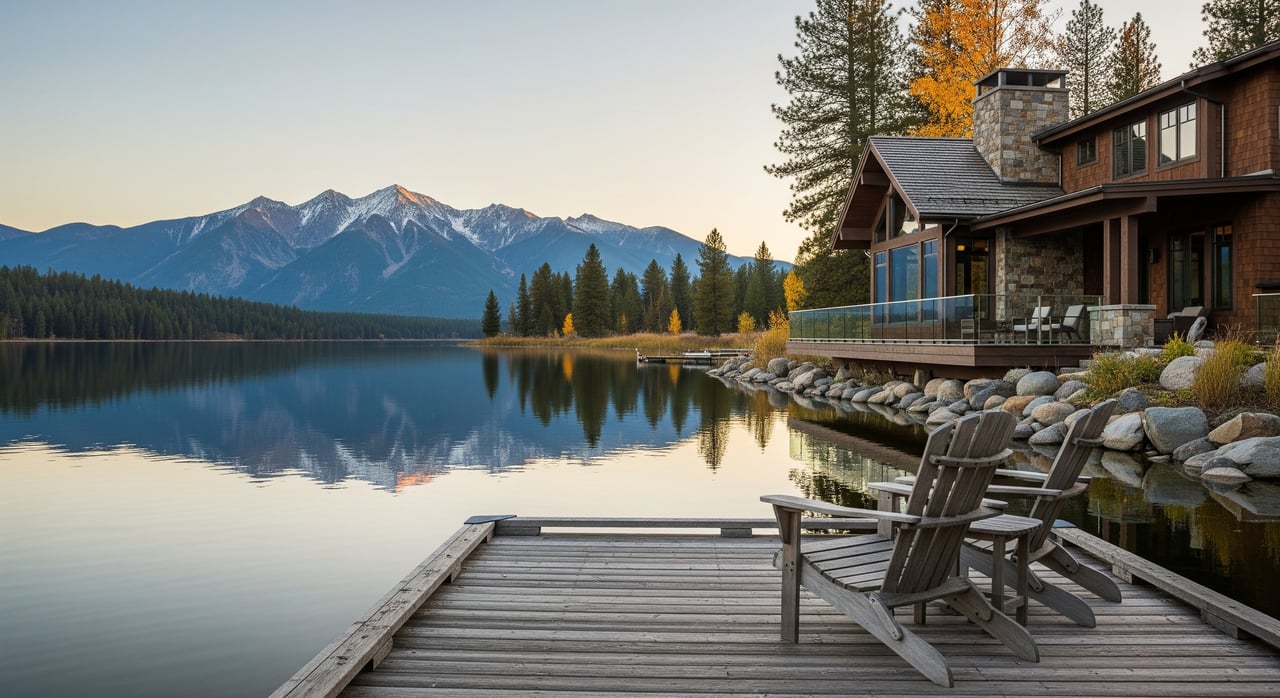
Frame unobstructed views to Flathead Lake with furniture placement and window treatments. Include aerial or elevated shots to show shoreline, context, and dock location. Provide a clear, factual list of waterfront amenities and limitations.
Mountain and rustic properties
Highlight durable finishes and organized storage for outdoor gear. Show mudroom functionality with boot racks and mats. Demonstrate year-round comfort with insulation and heating details.
Seasonal photography
- Summer: Capture lake activity, landscaping, and long light.
- Fall: Lean into foliage and mountain color for emotional impact.
- Winter: Showcase safe access and cozy interiors, removing excess icicles.
- Mud season: Avoid if possible, or stage carefully to minimize messy areas.
Virtual tours and open houses
Offer a guided video or 3D tour to support out-of-area buyers. Time open houses with tourism weekends when appropriate and avoid major event conflicts for maximum turnout.
Pricing and launch strategy
Price to the current market with a clear rationale. Strong visuals, complete documentation, and a Monday or Tuesday launch help build online momentum before weekend showings. If you attract multiple buyers, early feedback will guide whether to adjust price, presentation, or terms.
Ready to talk timing?
If you are weighing May to July versus a fall launch, or you want to prepare your shoreline documents and contractor schedule, a local plan makes the difference. With premium marketing and hands-on project guidance, you can capture the right buyers in the right season. When you are ready, connect with Gina Ellis to request your complimentary home valuation and build your Bigfork selling timeline.
FAQs
What is the best month to sell a home in Bigfork?
- May to July typically brings the strongest buyer traffic around Flathead Lake, with September to October as a solid secondary window.
Is winter a bad time to sell in Bigfork?
- Not necessarily; winter showings are fewer but buyers are often highly motivated, so strong pricing and proof of winter livability matter.
How do Bigfork events and tourism affect showings?
- Summer arts and community events boost foot traffic and can support open houses, but scheduling around busy weekends is important.
Do I need permits for my dock before listing a Flathead Lake home?
- You may; shoreline and dock rules vary, so gather existing permits and documentation in advance to answer buyer questions.
When should I complete repairs before listing in Bigfork?
- Plan major repairs 3 to 9 months before listing, with cosmetic updates in the final 4 to 8 weeks.
Are professional photos and drone shots worth it for Bigfork properties?
- Yes; high-quality imagery that highlights views, shoreline, and outdoor living is key in lake and mountain markets.