Ski mornings from your doorstep or stroll to dinner on Central Avenue — which Whitefish lifestyle fits you best? If you are weighing a slope‑side condo against an in‑town home, you are not alone. Many buyers come for the mountain and stay for the year‑round community. In this guide, you will learn how ski‑in/ski‑out and downtown living compare on access, costs, rentals, and resale so you can choose with confidence. Let’s dive in.
Whitefish at a glance
Whitefish sits in northwest Montana with a rare mix of small‑town charm and big‑mountain recreation. The town is anchored by Whitefish Mountain Resort and draws visitors from around the world for skiing, biking, and hiking. Summer and shoulder seasons are fueled by the outdoors and proximity to Glacier National Park. For local services, zoning, and community updates, the City of Whitefish offers current resources.
Ski‑in/Ski‑out: who it fits
Access and daily convenience
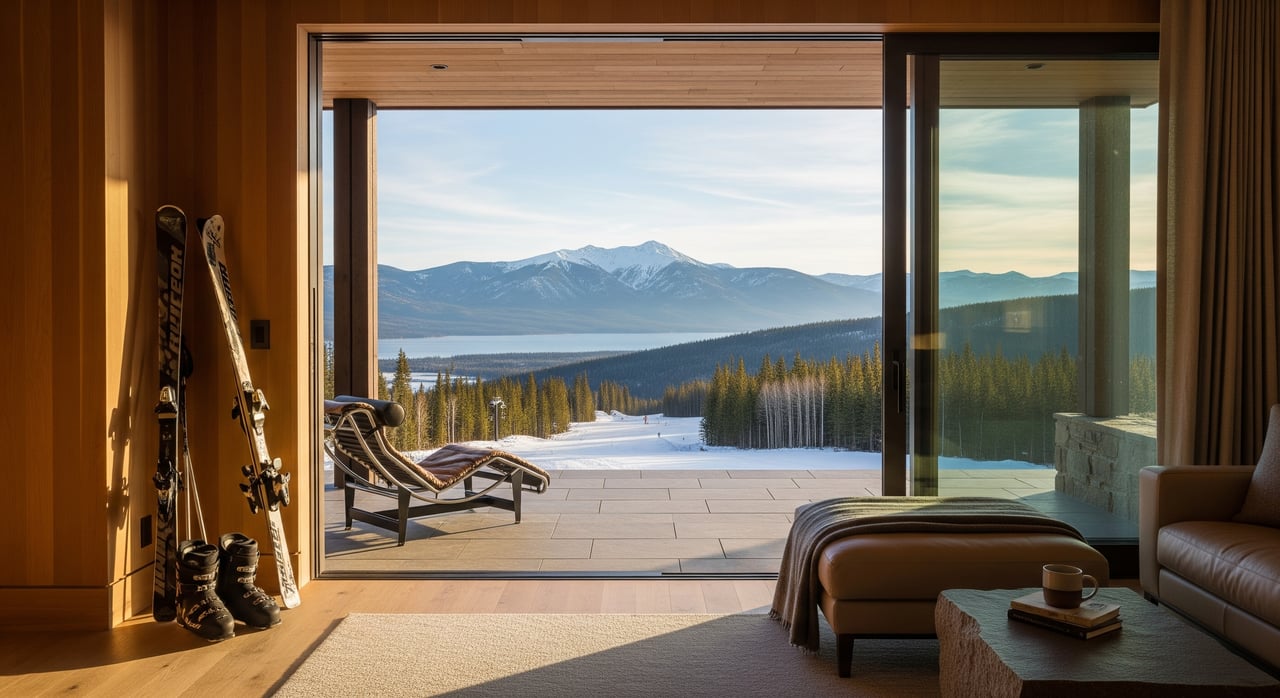
If you prioritize ski time, ski‑in/ski‑out puts lifts and trails just steps away. You spend less time commuting and more time on snow. Daily errands can take longer on the mountain, since most grocery stores, clinics, and other services are in town. Many owners plan supply runs in bulk or use delivery when available.
Seasonal logistics and parking
Mountain properties often include assigned garage stalls, covered parking, or managed lots. Snow removal and winter road access are key questions for any complex you consider. Ask how plowing is handled, who bears the cost, and whether roads are association maintained or public. In peak season and on holidays, arrival and departure timing can matter for parking and loading.
Noise and ambiance
A resort base can feel lively during winter with visitors, grooming equipment, and lift operations. Upper‑mountain buildings may be quieter. Review a site map and walk the area during the time of day you expect to ski or relax so you understand the sound and traffic patterns you will experience.
Full‑time vs part‑time use
Ski‑in/ski‑out shines for second‑home owners who come for winter weeks and want effortless access. Some owners also enjoy summer mountain biking and hiking, but daily living is still easier in town if you need schools, medical appointments, and quick store trips. Consider your typical month: how many days are you skiing versus hosting friends, dining out, or working from home.
Natural hazard and insurance considerations
Mountain properties can face different exposures, including slope and wildfire risk. Before you write an offer, check FEMA’s National Flood Hazard Layer and review Montana wildfire resources through the Department of Natural Resources and Conservation. These factors can affect insurance availability and premiums, so obtain quotes early.
In‑town Whitefish: who it fits
Walkability and services
In‑town living offers a simple daily rhythm. You can walk or bike to restaurants, coffee, grocery, and events. Local services and emergency response are closer. If you host non‑skiers or work remotely, this convenience adds up. The resort is still a short drive away, so you keep mountain access without living on the hill.
Year‑round rhythm and community
Downtown has a mixed residential and commercial feel with steady activity in all seasons. For upcoming events, small‑business highlights, and visitor info, the Whitefish Chamber of Commerce is a helpful resource. If you value farmers markets, live music, or community gatherings, in‑town homes keep you close to the action.
Parking and guest hosting
Most in‑town homes have driveways or garages with easier year‑round access. In peak summer and holiday weeks, downtown street parking can be tighter. Check street‑parking rules and guest options for any property you tour, and confirm whether permits are required.
Financial and resale factors
Price premium and buyer pool
True ski‑in/ski‑out typically commands a premium per square foot in resort markets because of scarcity and lifestyle value. The buyer pool can be more specific, often focused on ski access or investment. In‑town single‑family homes and townhomes tend to reach a broader audience, including primary residents, retirees, and investors seeking both long‑term and seasonal tenants. Broader appeal can help with liquidity in shifting markets.
Carrying costs to compare
Beyond your purchase price, plan for total monthly and annual costs:
- Mortgage payment and interest rate terms
- Flathead County property taxes and assessed value
- Homeowners insurance, including any wildfire or flood endorsements
- HOA or condo dues where applicable, especially in resort complexes
- Utilities and heat, which can be higher on the mountain
- Maintenance, reserves, and potential special assessments
- Property management, cleaning, and booking fees if you plan to rent
For county tax history and records, start with Flathead County. For statewide property tax guidance, the Montana Department of Revenue offers policy and valuation resources.
HOA due diligence for condos and townhomes
Many ski‑area properties belong to HOAs that manage building insurance, snow removal, shuttle service, ski storage, and amenities. Those services are convenient and can increase monthly dues. Before you commit, request and review:
- Declaration, bylaws, and rules
- Current budget, balance sheet, and reserve study
- Recent board minutes that note special assessments or large projects
- Insurance summaries and master‑policy deductibles
- Rental rules, owner‑occupancy requirements, and any active litigation
Lack of reserves, planned special assessments, or unclear ski‑access easements are common red flags. If the master policy excludes certain interior items, your personal condo policy may need to fill the gap.
Rental potential and local rules
Short‑term rental potential varies by building rules and city regulations. Zoning, licensing, and lodging tax obligations can be decisive, so confirm rules before you underwrite the purchase. The City of Whitefish publishes municipal code and planning information, which is the best starting point to understand current short‑term rental requirements.
Resale signals that matter
For ski properties, buyers respond to clear, true ski access, secure parking, gear storage, and well‑funded HOAs. Views, decks, sun exposure, and snow‑shedding patterns also influence experience and value. For in‑town homes, proximity to services, functional layouts, outdoor space, and flexible parking matter. In both cases, building age, roof and mechanical condition, and documented maintenance are central to resale.
How to choose: a simple decision matrix
Rank these items by importance and compare two or three properties side by side:
- Primary use: full‑time living or seasonal use
- Ski frequency: ski every day or a few days per trip
- Walkability: dining and shops at your doorstep or a short drive away
- HOA tolerance: higher dues with amenities or lower dues with more owner responsibility
- Rental needs: essential to your plan or a nice‑to‑have
- Resale strategy: niche premium for ski access or broad appeal in town
- Risk tolerance: comfort with wildfire, slope, and insurance costs
- Total budget: purchase price plus expected monthly carrying costs
If you are torn, consider a compromise property near town with a short drive to the resort, or a mountain condo with shuttle access and on‑site storage that makes year‑round visits easier.
Smart due diligence in Whitefish
Verify ski access and operations
“Walk to lift” is not the same as true ski‑in/ski‑out. While touring, confirm the physical distance, the legal easements for trails, and how early and late lifts operate during the season. The Whitefish Mountain Resort site posts maps and operations updates to help you confirm details.
Confirm taxes and ownership records
Pull a property’s tax history and assessed value through Flathead County, and review state property tax guidance with the Montana Department of Revenue. If you plan to hold the property as a rental, factor in licensing or lodging tax obligations outlined by city or county rules.
Review hazards and insurance
Check FEMA’s flood hazard maps and Montana DNRC wildfire resources to understand potential risks. Share the address with your insurance agent early to estimate premiums, deductibles, and any required endorsements. In mountain settings, wind, snow load, and wildfire can influence coverage.
Inspect for mountain conditions
During inspections, pay close attention to roof age, ventilation, drainage, ice damming, freeze protection, and evidence of water intrusion. Ask about snow and ice management, including responsibility lines between owners and the HOA. In ski condos with higher guest turnover, look closely at wear on flooring, fixtures, and mechanical systems.
Build a focused MLS search
- For ski access: filter for condos and townhomes marketed with resort adjacency, and include keywords such as “ski‑in,” “ski‑out,” and “ski access.” Prioritize buildings with documented access and storage.
- For in‑town living: search within city limits or set a radius to downtown and key services. Add filters for parking, outdoor space, and bedroom count for guests.
- Create separate searches for income‑focused condos with rental history, primary‑residence homes, and “buffer” neighborhoods that offer a short drive to both the resort and downtown amenities.
Finding your Whitefish fit
Choosing between ski‑in/ski‑out and in‑town comes down to how you plan to live in the property. If first tracks and mountain convenience define your visits, slope‑side living is hard to beat. If you want an easy daily routine with restaurants, shops, and community events close by, in‑town living may be the better match. Many buyers start with a clear preference and confirm it during showings, once they feel the logistics of parking, storage, and access in person.
If you would like a guided path from short list to keys, reach out to Gina Ellis. You will get local insight on neighborhoods, tailored MLS searches, smart due diligence checklists, and responsive representation that keeps your goals front and center.
FAQs
What does “ski‑in/ski‑out” mean in Whitefish?
- It typically refers to properties with direct trail or lift access, but details vary by building, so confirm actual distance, legal easements, and lift operating hours with the resort.
Are short‑term rentals allowed in the City of Whitefish?
- Rules depend on zoning, building policies, and licensing, so verify current regulations with the City of Whitefish and confirm any HOA rental restrictions before you rely on rental income.
How do HOA dues at the resort compare to in‑town buildings?
- Resort complexes often include amenities like shuttles, ski storage, and snow removal, which can raise dues, while in‑town dues vary by services; review budgets, reserves, and pending projects to understand total costs.
What natural hazards should buyers research near the mountain?
- Review FEMA flood maps, check Montana DNRC wildfire resources, and discuss insurance availability and premiums with a local agent early in your process.
Where can I find property tax and historical records for a Whitefish home?
- Start with Flathead County for property records and tax history, and use the Montana Department of Revenue for statewide property tax guidance and valuation methodology.
What makes in‑town Whitefish attractive for full‑time living?
- A walkable core with dining, services, and community events, easier year‑round access and parking, and a broader resale audience that includes many primary residents.