If you picture lakefront living as one long summer vacation, Whitefish will widen that view in the best way. Life on or near Whitefish Lake is beautiful, but it is also shaped by seasons, access rules, shoreline stewardship, and the close connection between the lake and downtown. If you are thinking about buying, selling, or simply learning what daily life really feels like here, this guide will walk you through the rhythm of Whitefish lakefront living. Let’s dive in.
Whitefish Lake Shapes Daily Life
Whitefish sits at the south end of Whitefish Lake, and the lake is one of the clearest anchors of daily life in town. City sources describe the lake with slightly different measurements, but they agree on the bigger point: Whitefish Lake is the defining geographic feature of the community.
That matters because the lake is not tucked away from everything else. In Whitefish, lake life overlaps with town life, outdoor recreation, and seasonal events. City Beach is within walking distance of downtown by a separate scenic trail, which makes the shoreline feel like part of your normal routine instead of a separate destination.
The lake also carries practical importance beyond scenery. Whitefish Lake Institute estimates that a clear, clean lake supports surrounding property values and contributes millions in annual property tax revenue. For homeowners, that reinforces a local culture of long-term stewardship.
Summer on Whitefish Lake
Summer is the most active season on the lake. Swimmers, anglers, and boaters all fill the shoreline and public access points, and places like City Beach, Whitefish Lake State Park, and Les Mason State Park can become crowded during peak season.
If you live on or near the lake, your summer routine may start early and stretch late. Morning paddle sessions, afternoon boat traffic, and evenings near the water all become part of the cadence. The setting feels energetic, but in Whitefish that energy is balanced by the convenience of nearby town amenities.
Public access and lake activity
Whitefish Lake offers several well-known public access options. City Beach includes a public swimming area, boat launch, gazebos, picnic areas, and paddleboard and kayak rentals. Whitefish Lake State Park is also a key access point for boating, swimming, camping, and fishing, with 25 campsites and seasonal paddleboard, kayak, and pedal-boat rentals.
For buyers, this is an important lifestyle detail. Even if you are not looking for direct waterfront ownership, living near the lake can still put you close to the experience of being on the water regularly.
What summer feels like near downtown
One of Whitefish’s advantages is how connected the lake remains to the rest of town. You can spend time at City Beach and still stay tied to downtown dining, local events, and everyday errands. That is a different experience from lake communities where waterfront living can feel more isolated.
Whitefish also functions as a compact recreation hub. The city places you within reach of Whitefish Mountain Resort, Glacier National Park, and the broader Flathead Valley corridor, so summer life here often blends lake time with hiking, dining, and day trips.
Winter Brings a New Routine
Winter does not shut Whitefish down. It simply changes the pace. The lakefront becomes quieter than it is in summer, and the focus of local recreation shifts more toward snow season and town events.
The climate helps explain that change. Whitefish’s 2045 Community Plan lists an average January temperature of 22.4°F and an average July temperature of 65.4°F. That seasonal swing shapes how people use the lake and how often they are on the water.
Boating rules change in the off-season
If boating is part of your lifestyle, it is important to understand Whitefish’s seasonal access rules. The city requires watercraft inspection before launch, and staffed inspection stations operate from May 1 through September 30.
From October 1 through April 30, the City Beach and Whitefish Lake State Park boat ramps are locked unless boaters complete the online off-season AIS self-certification or early-angler certification process. For homeowners, that means winter lake use is possible in some cases, but it follows a more regulated and slower pattern than summer.
The town stays active
Even when boating activity drops, Whitefish remains lively. Skiing at Whitefish Mountain Resort has been part of the local story since 1947, and the city hosts major winter events such as the February Winter Carnival.
That seasonal shift is one reason many people are drawn to Whitefish. You are not choosing between a lake town and a mountain town. You are living in a place where the lifestyle changes with the weather, but still stays active year-round.
Everyday Access Matters
For many buyers, the appeal of Whitefish lakefront living is not just the water itself. It is how easy it is to stay connected to trails, dining, and the rest of town while enjoying that setting.
Whitefish has about 23 miles of shared-use paths, along with the Whitefish Trail network, which includes 47 miles and 15 trailheads for hiking, biking, and equestrian use. The city also notes multiple Whitefish River access points through city parks, which adds to the sense of connection across the community.
Walkability and connections
If you value being able to leave the car behind from time to time, Whitefish stands out. City Beach is within walking distance of downtown along a separate scenic trail, which is a simple but powerful quality-of-life feature.
That connection helps shape the daily routine of living nearby. You can move from shoreline views to coffee, dinner, or errands without feeling removed from town life.
Dining near the lake and downtown
Whitefish also offers a blend of lakeside and downtown dining options. Explore Whitefish identifies Boat Club Bar & Dining Room as a lake-side dining option, while downtown listings include Firebrand, Craggy Range, and Wasabi.
This mix supports a lifestyle that feels layered rather than limited. A day here can include time on the water, a walk into town, and dinner downtown without much friction in between.
Lakefront Living Comes in Different Forms
A common mistake is assuming lake-adjacent living always means a large standalone waterfront house. In Whitefish, the broader housing mix is more varied than many buyers expect.
According to the city’s 2025 Housing Needs Assessment, only 44% of new units built from 2015 through 2024 were detached single-family homes. The current pipeline includes condos, townhomes, duplexes, apartments, accessory dwelling units, and single-family projects.
You may not need direct shoreline
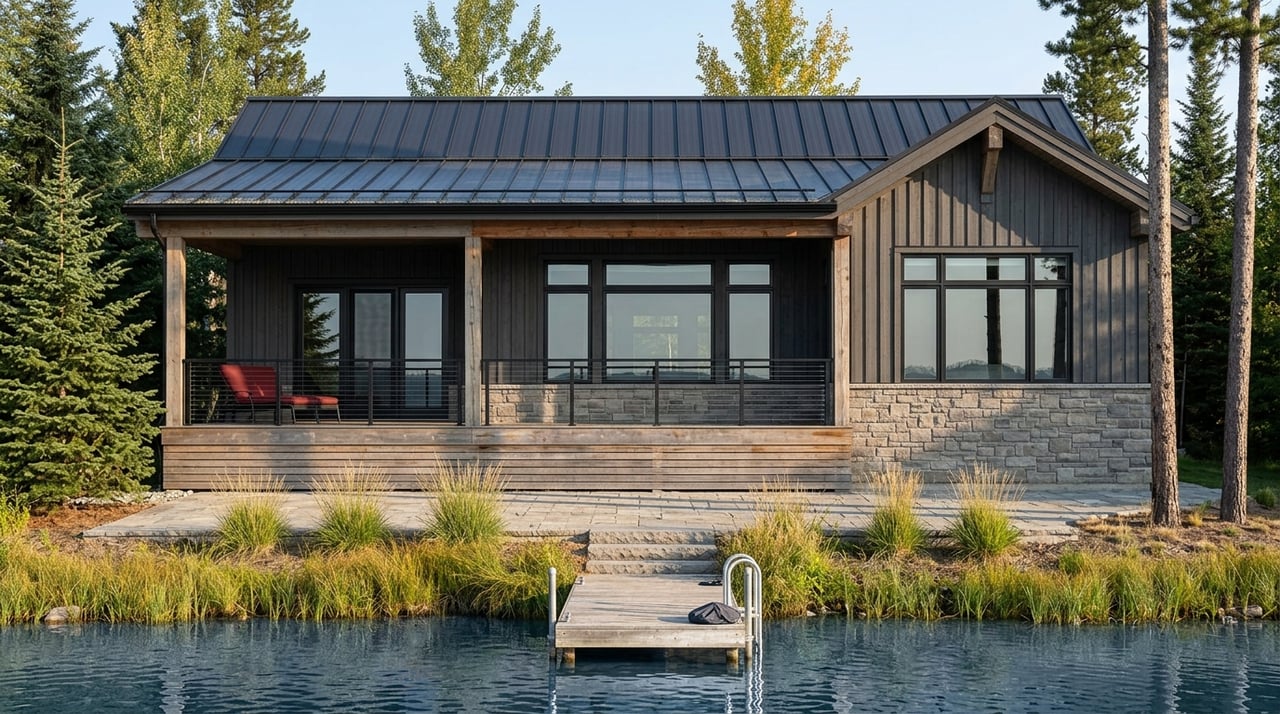
That mix creates options for different goals and budgets. Depending on what you want, lakefront living might mean a true waterfront home, a resort-style condominium, or a nearby townhome that keeps the lake close without placing you directly on the shoreline.
For second-home buyers and relocators, this can be especially helpful. You may be able to prioritize convenience, lower-maintenance ownership, or easier lock-and-leave living while still enjoying the Whitefish Lake lifestyle.
Shoreline Ownership Has Extra Rules
Owning on the lake is different from owning in a typical subdivision. In Whitefish, shoreline improvements come with a more regulated process.
Anyone proposing work in Whitefish Lake or within 20 horizontal feet of the mean annual high-water elevation needs a Lakeshore Construction Permit. Permits can be required for docks, patios, retaining walls, landscaping, utility lines, riprap, and other shoreline work.
Why this matters for buyers and sellers
For buyers, these rules are worth understanding early. If you are considering changes to a shoreline property, your plans may involve review and permitting that would not apply elsewhere.
For sellers, this is also part of positioning a property correctly. Buyers often benefit from clear information about existing shoreline features, prior improvements, and what future changes may require.
Stewardship Is Part of the Lifestyle
In Whitefish, the lake is not just a view. It is also part of the city’s water system. The city states that its water treatment plant treats water from Whitefish Lake and Haskill Creek, and city FAQ materials note that summer water use is extremely high relative to winter use.
That reality adds another layer to lakefront ownership. People who live here are part of a community that depends on the lake as both a recreation asset and a civic resource. In practical terms, that supports a strong local emphasis on shoreline protection, water quality, and responsible seasonal use.
What Whitefish Lakefront Living Really Means
Whitefish lakefront living is not one single experience. It can mean direct waterfront ownership, a nearby condo, a walkable route to City Beach, or a home that gives you quick access to both the lake and downtown.
What ties it all together is rhythm. Summer is active and social. Winter is quieter on the water but busy in town. Across every season, Whitefish offers a lifestyle shaped by access, scenery, recreation, and a real sense of stewardship.
If you are trying to decide whether Whitefish Lake living fits your goals, it helps to look beyond the postcard view. The right property is the one that matches how you want to spend your days in every season, not just in July.
If you want help exploring lakefront homes, lake-adjacent options, or how to position your Whitefish property for today’s market, Gina Ellis offers local guidance rooted in the Flathead Valley lifestyle.
FAQs
Is Whitefish Lake walkable from downtown Whitefish?
- Yes. City Beach is within walking distance of downtown along a separate scenic trail.
Are there public boat launches on Whitefish Lake?
- Yes. City Beach and Whitefish Lake State Park both serve as public access points, with inspection and off-season certification rules that apply.
What types of homes are available near Whitefish Lake?
- Whitefish’s broader housing mix includes detached homes, condos, townhomes, duplexes, apartments, accessory dwelling units, and single-family projects.
Is Whitefish Lake quiet in winter?
- Relative to summer boating, yes. Winter brings a slower lake routine, while recreation in town shifts more toward skiing and seasonal events.
Do shoreline projects on Whitefish Lake need permits?
- Yes. Work in the lake or within 20 horizontal feet of the mean annual high-water elevation may require a Lakeshore Construction Permit.
Is Whitefish Lake only a recreation amenity?
- No. It is also part of the city’s water supply system and plays an important role in local stewardship and infrastructure.