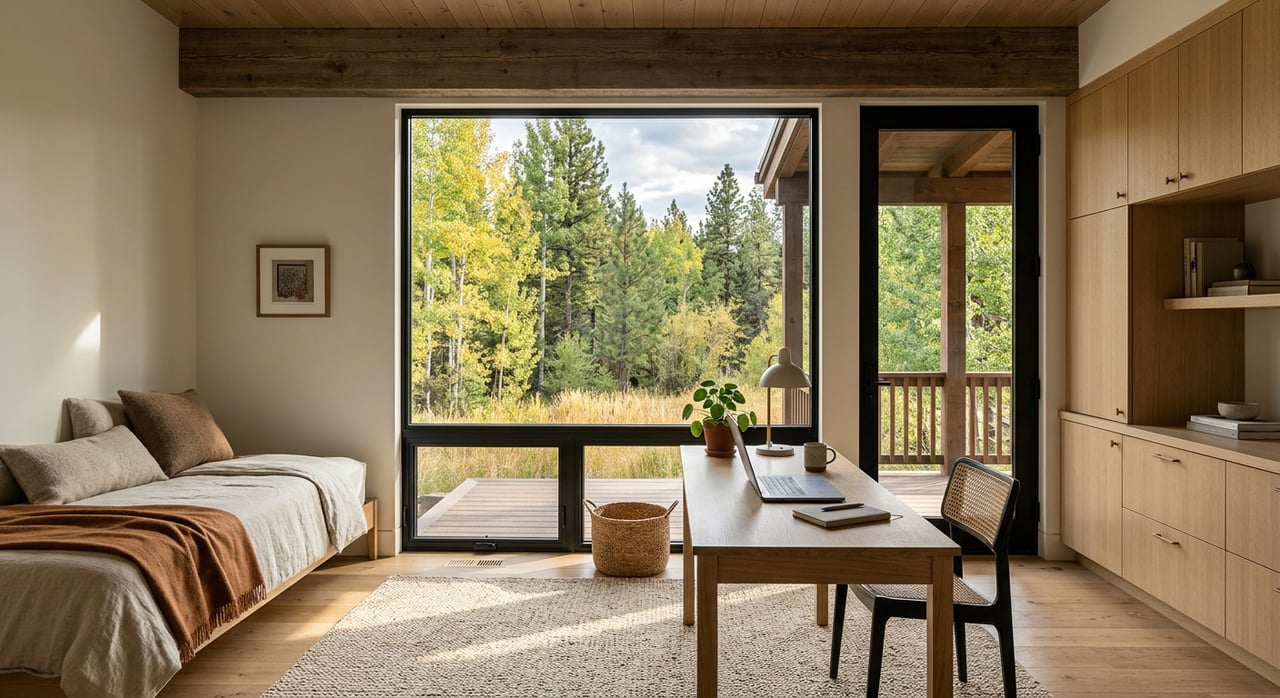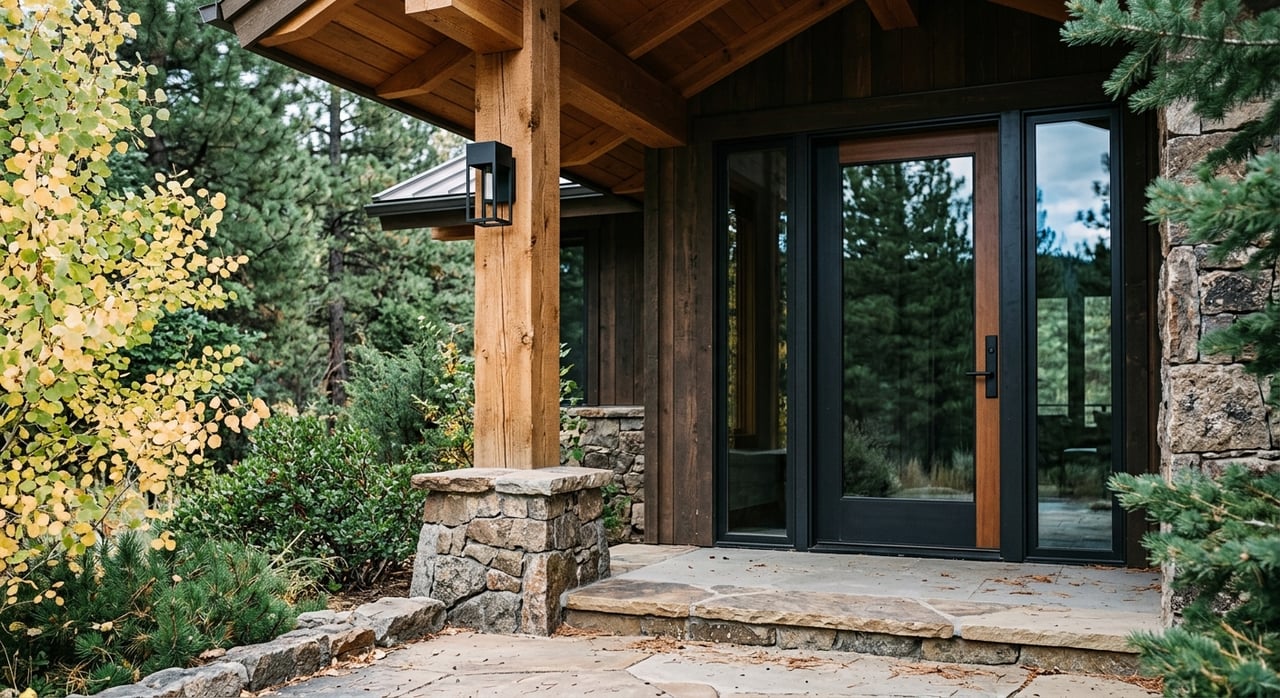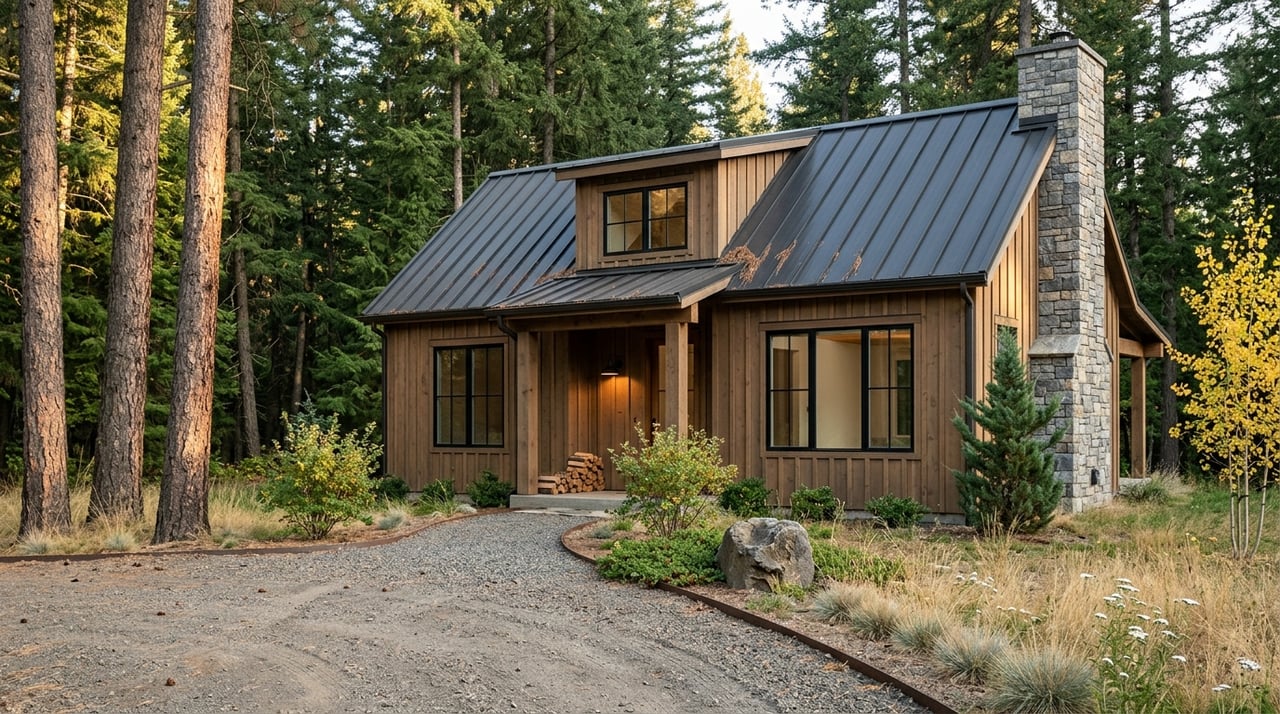
Looking for property around Eureka is not just about square footage or price. It is about matching your lifestyle to the land, the road, and the level of upkeep you want to take on. If you are weighing a cabin, a larger acreage parcel, or a more conventional in-town home, this guide will help you understand how property types around Eureka tend to differ and what to look at before you make a move. Let’s dive in.
Why Eureka Offers So Many Property Types
Eureka sits in a small rural setting along a two-mile stretch of Highway 93 beside the Kootenai National Forest. The Lake Koocanusa Scenic Byway connects Eureka and Libby in a 67-mile corridor that stays open year-round, while the west-side loop around the lake closes in winter.
That setting helps explain why the local property mix feels so varied. You will find homes that suit full-time living, second-home use, recreation-driven ownership, and long-term landholding. In a county as large and lightly populated as Lincoln County, that variety is part of the appeal.
Lincoln County has 19,677 residents spread across 3,612.56 square miles. The county also has a 77.6% owner-occupied housing rate, which points to a market shaped by both long-term ownership and lifestyle-driven demand.
Cabins Near Water and Forest
If you picture Montana ownership as a simple retreat close to outdoor recreation, cabins and second homes around Eureka may be the first property type you explore. Lake Koocanusa offers fishing, boating, campgrounds, boat ramps, and day-use areas, while the Kootenai National Forest adds hiking, wildlife viewing, marinas, and broad recreation access.
That does not mean every cabin works the same way. Some properties are better suited for seasonal use, while others may support more regular occupancy depending on access, systems, and maintenance.
What makes cabins appealing
Cabins can be a strong fit if you want:
- A seasonal base near recreation
- A part-time retreat with a smaller footprint
- A simpler ownership experience than a large estate parcel
- Close access to water, forest, and scenic drives
For many buyers, the value is less about formality and more about freedom. You may be looking for a place to launch a boat, spend weekends outdoors, or create a quiet home base that feels tucked away.
What to check before buying a cabin
Around Eureka, cabin due diligence often comes down to practical questions rather than cosmetic ones. In this area, winter access, heating, insulation, and utility systems deserve close attention.
Start with these basics:
- How reliable is winter road access?
- Is the property intended for seasonal or full-time use?
- What heating system does the home use?
- How well insulated is the structure?
- Does the property rely on a private well, septic system, or both?
Those questions matter even more because the west-side loop around Lake Koocanusa closes in winter. A cabin that feels easy to reach in summer can function very differently when weather changes.
In-Town Homes and Smaller Lots
Not every buyer wants land to maintain or a remote setup to manage. If your goal is a more conventional full-time residence, Eureka’s compact town center may offer a better fit.
The town highlights restaurants, stores, and year-round events, which makes in-town living the convenience-oriented option in the area. For buyers who want easier day-to-day living, that can be a major advantage.
Why in-town living appeals to some buyers
Modern homes, newer builds, and smaller lots often appeal to people who want:
- Less exterior maintenance
- Easier access to town services and amenities
- A more familiar residential setup
- A practical base for full-time living
This can be especially helpful if you are relocating, splitting time between homes, or simply want fewer moving parts than a rural parcel may involve.
Utility details still matter
Even when a property feels more straightforward, it is still important to verify how the home is actually served. Eureka lists a 2026 Wastewater Preliminary Engineering Report as an active project, but individual properties still need to be evaluated on their own utility setup.
That means you should confirm details instead of assuming them. A smaller lot or newer-looking home may still have specific infrastructure questions worth reviewing during your search.
Acreage and Recreational Land
If privacy, views, elbow room, or future flexibility matter most to you, larger acreage parcels around Eureka can be very compelling. These properties often appeal to buyers who want space for outbuildings, a more secluded setting, or a long-term hold in a recreation-first market.
At the same time, larger parcels usually come with more layers to review than a typical in-town house lot. The opportunity can be excellent, but the due diligence needs to match it.
What larger parcels can offer
Acreage can be attractive if you want:
- More privacy
- Wider mountain or forest views
- Space for accessory structures, subject to approvals
- A stronger sense of separation from neighbors
- Long-term land ownership in a low-density area
For lifestyle buyers, this is often where the Eureka area feels most distinctly Montana. The tradeoff is that more land usually means more responsibility.
What larger parcels require you to investigate
Lincoln County planning administers subdivision, floodplain, and lakeshore construction regulations. Its subdivision packet also includes fire risk assessment forms and road maintenance agreements.
In practical terms, that means acreage buyers should look closely at access, buildability, sanitation review, and location-specific rules. A beautiful parcel may also come with questions about roads, fire planning, wastewater approvals, or whether certain county reviews apply.
Under county sanitation review rules, land divisions under 20 acres may trigger subdivision review, site evaluations, and wastewater permitting. A local septic permit is required before a wastewater system is installed.
Wells, Septic, and Ongoing Upkeep
One of the biggest differences between property ownership around Eureka and ownership in a more urban setting is how often private systems enter the picture. This is especially true for cabins, acreage, and homes outside the most conventional utility setups.
Montana DEQ says private wells are common but not regulated by the state. Owners are responsible for care and should test annually for bacteria and nitrates.
Septic ownership also comes with regular maintenance. Septic tanks generally need pumping every 3 to 5 years, and both wells and septic systems require active owner attention.
Why this matters to your property choice
If you love the idea of a cabin in the trees or a larger parcel near the forest, private systems may feel like a fair trade. If you want simpler ownership with fewer maintenance variables, a smaller in-town property may be more comfortable.
Neither option is better across the board. The right choice depends on how hands-on you want to be and how often you plan to use the property.
Winter Access Changes the Conversation
In the Eureka area, road access is not a small detail. It can shape how you use a property, when you use it, and how convenient ownership feels from one season to the next.
Because the west-side loop around Lake Koocanusa closes in winter, access questions should come up early in your search. A property that works well as a summer retreat may not serve the same purpose if you hope to use it year-round.
Ask road questions early
When comparing properties, it helps to ask:
- Is the road network reliable in winter?
- Is the intended use seasonal or year-round?
- Does the location affect travel time during colder months?
- Are there maintenance agreements tied to access roads?
This is one of the clearest examples of why local property guidance matters. Two homes can look similar on paper and feel very different in real life once access is part of the equation.
Fire, Floodplain, and Lakeshore Considerations
In a forested, recreation-driven region, land stewardship and site conditions matter. Lincoln County planning oversees floodplain and lakeshore construction regulations, and county subdivision materials include fire risk assessment forms.
The Kootenai National Forest and Lincoln County have also entered a stewardship agreement to reduce wildfire risk. For buyers looking at forest-edge or larger rural parcels, fire preparedness should be part of the ownership conversation from the start.
Why site-specific review matters
Before choosing a property, it is smart to ask whether the parcel is near:
- A floodplain
- A lakeshore area
- Forest land where fire preparedness is a concern
- A location where county review may affect improvements
These factors do not automatically rule out a property. They simply shape what ownership, building, or future changes may involve.
How To Match the Property Type to You
The best property around Eureka is the one that fits how you actually plan to live, visit, or hold it over time. It helps to decide what matters most before you fall in love with the scenery.
Use this quick framework as you compare options.
A cabin may fit if you want
- Seasonal use or part-time living
- Fast access to recreation
- A smaller retreat near water or forest
- A lifestyle-first purchase with manageable scale
An in-town home may fit if you want
- Full-time living convenience
- Less land to maintain
- Easier access to stores, restaurants, and events
- A more conventional residential setup
Acreage may fit if you want
- Privacy and separation
- Long-term land ownership
- Room for outbuildings or future plans, subject to review
- A more expansive Montana setting
Why Local Guidance Helps in Eureka
Property around Eureka often looks simple at first glance. Then the real questions show up: year-round access, private systems, sanitation review, lakeshore rules, road agreements, and how much upkeep you truly want.
That is why a thoughtful search matters here. When you understand not just the home, but also the land and the ownership demands that come with it, you can buy with more confidence and fewer surprises.
If you are comparing cabins, acreage, or full-time homes around Eureka, working with a knowledgeable local advisor can help you narrow the field, ask sharper questions, and move forward with clarity. When you are ready to explore your options, connect with Gina Ellis for trusted guidance tailored to your goals.
FAQs
What types of properties are common around Eureka, Montana?
- Around Eureka, you will commonly find cabins and second homes, in-town homes on smaller lots, and larger acreage or recreational parcels.
What should you check before buying a cabin near Eureka?
- You should closely review winter road access, heating, insulation, and whether the property relies on a private well, septic system, or both.
What makes in-town homes in Eureka appealing?
- In-town homes can appeal to buyers who want a more conventional full-time residence, less land to manage, and easier access to restaurants, stores, and year-round events.
What should you know about acreage property around Eureka?
- Acreage can offer privacy, views, and room for outbuildings, but it may also involve subdivision review, wastewater permitting, road maintenance questions, and site-specific county rules.
How do private wells and septic systems affect Eureka property ownership?
- Private wells and septic systems require active owner care, with annual well testing for bacteria and nitrates and septic pumping generally needed every 3 to 5 years.
Why does winter access matter when buying property near Eureka?
- Winter access matters because some road routes, including the west-side loop around Lake Koocanusa, close seasonally, which can affect how practical a property is for year-round use.